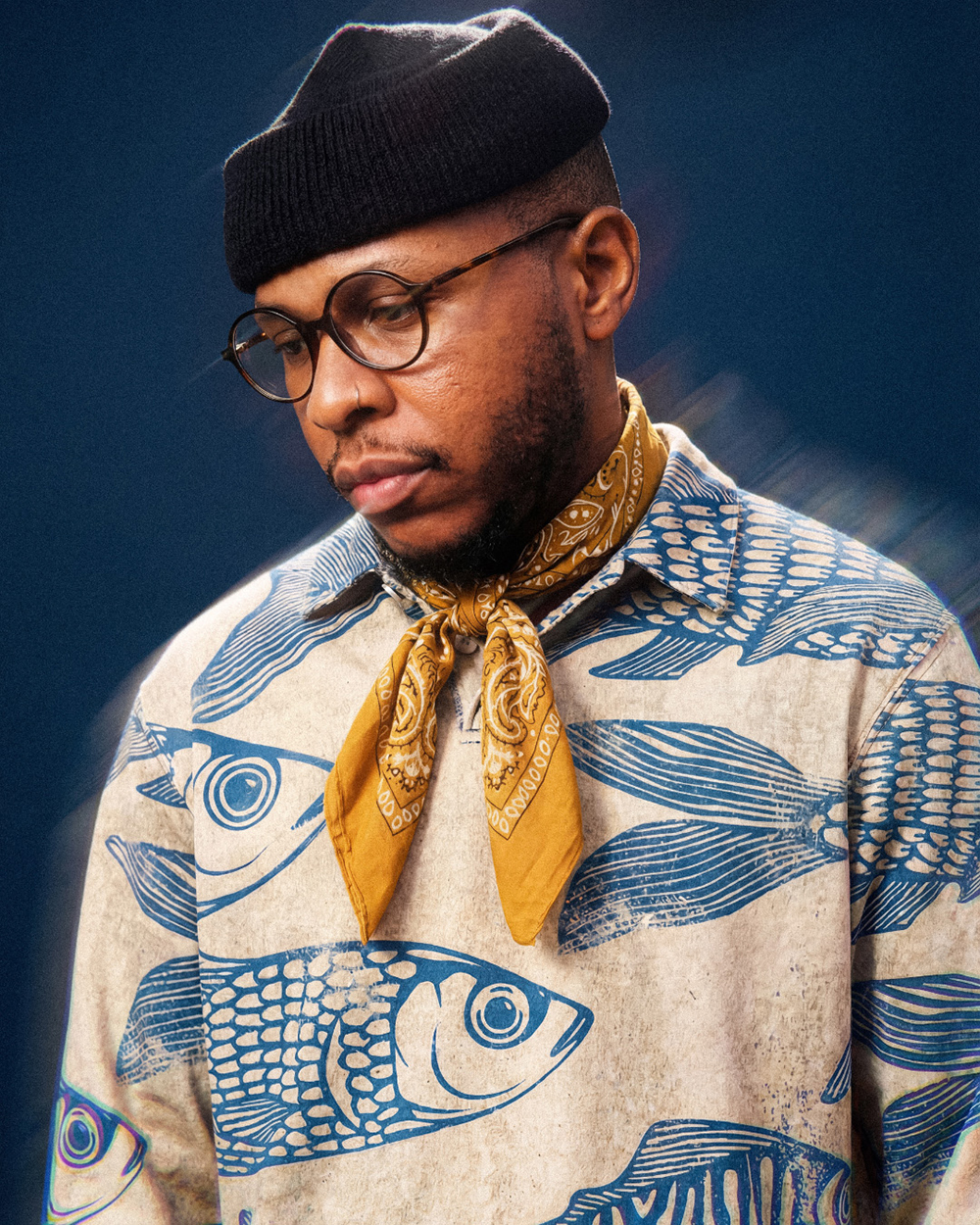
DAHI: The Hitmaker Who Finally Stepped Into the Frame
Hum the opening of Kendrick Lamar's "Money Trees." That misty soul loop, Compton at golden hour, came from a producer most listeners couldn't name. For fifteen years, Dahi was the most important producer you'd never heard of. This summer, he introduced himself.
Born Dacoury Dahi Natche in 1983 and raised in Inglewood, he learned to DJ at UC Santa Cruz, came home to L.A. in 2007 and started making beats for local rappers. Then "Money Trees" landed in 2012, and the phone never stopped. Drake's "Worst Behavior." Big Sean's "I Don't Fuck with You." Five tracks on Kendrick's Pulitzer-winning DAMN. Mac Miller's "Self Care." SZA, Travis Scott, J. Cole, Kali Uchis, Baby Keem. The credits read like a syllabus for 2010s rap and R&B. Add a Best Rap Song Grammy for 21 Savage's "a lot," four Album of the Year nominations and a Producer of the Year nod.
Now the pivot. Black Boy (Alternative), out August 28 on ALTER Music, is his debut solo album, credited simply to Dahi. The guest list looks like fifteen years of favors coming due: Kendrick Lamar, Childish Gambino, Vince Staples, Moses Sumney, Channel Tres, Ravyn Lenae, Amber Mark, Obongjayar, Fousheé and more. Lead single "Running" reunites him with Gambino over hazy guitar that Stereogum likened to Radiohead's "Reckoner." It was also Donald Glover's first new music in over a year.
But this isn't a victory lap. Same relationships, same communal spirit, except now Dahi is the main character instead of the facilitator. "'Running' pays homage to my heritage," he said. "Black is beautiful. Bringing all I love into one space." The album folds the hip-hop and R&B he grew up on into the alternative and rock that pulled at him later. Everything, at once, on purpose.
The producer-turned-artist story is familiar by now. Metro Boomin did it. Mustard did it. Dahi's version hits differently because his whole reputation was built on invisibility. He wasn't the loudest guy in the room; he was the reason the room sounded good. His signature was never a tag. It was space. The loops on "Money Trees" and "Die Hard" don't sound like beats. They sound like weather.
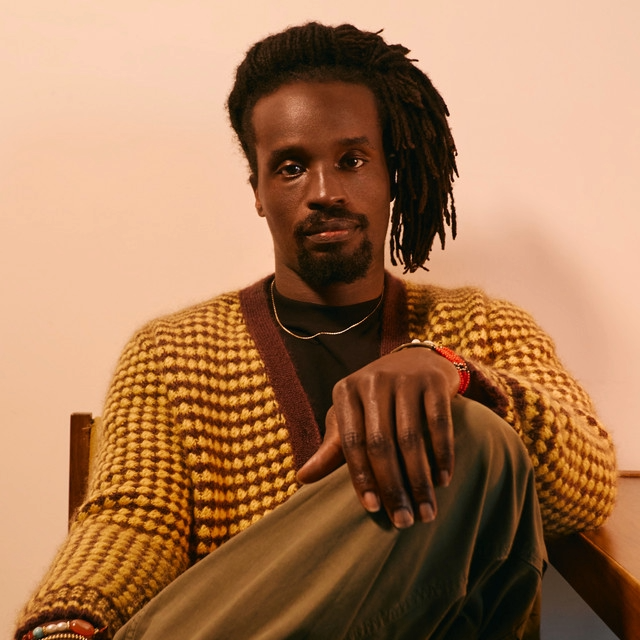
At 43, previewing the album live back home in Inglewood with Gambino and Staples beside him, he finally sounds like himself. Turns out that's all of it: the rap, the R&B, the alternative, the beautiful noise in between.
For fifteen years, Dahi made other people's moments. Now he's making his own.