THE QUIET ROOM: Why the Hottest Night Out Is a Record and a Chair
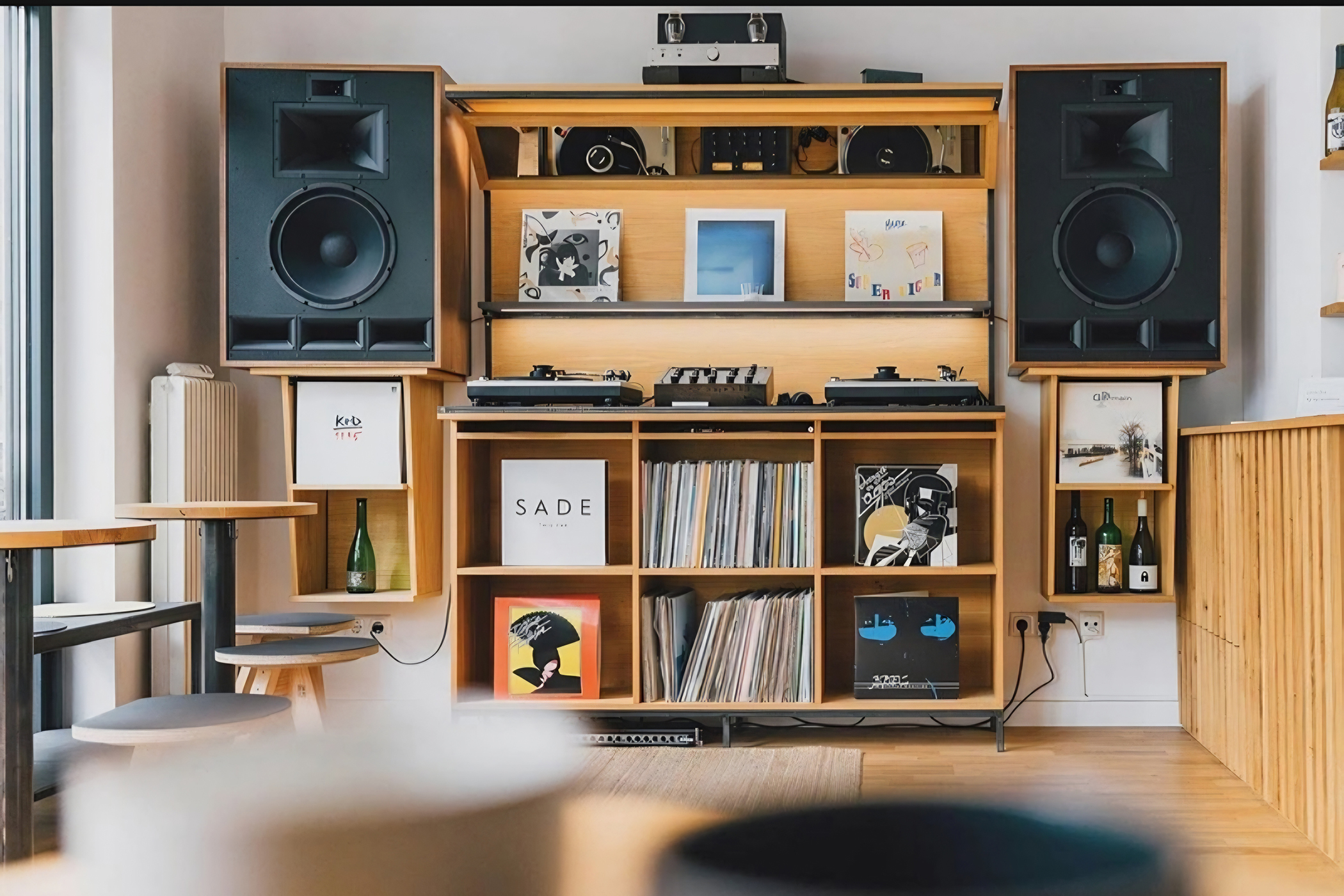
The hottest night out in 2026 involves sitting still, shutting up, and listening to a record all the way through. No, really.
From Tokyo to London to Los Angeles, a new kind of room is multiplying: the listening bar. Dark wood, soft leather, a serious sound system, a turntable, and one iron rule: the music is the point. Not the backdrop. Not the vibe. The point. You order a drink, you sit down, and you listen in communal quiet. In an era engineered to fracture your attention into fifteen-second increments, these rooms sell the most radical product imaginable: one thing at a time.
The form is a century old. Japan's ongaku kissa, or music cafés, date to the 1920s, when customers nursed coffee while European classical records played through high-fidelity speakers. By the 1970s the kissa had absorbed jazz and rock and hit its peak. Shibuya's Meikyoku Kissa Lion, open since 1926 and one of the oldest survivors, still seats customers facing the speakers like pews; conversation is not the point. Nearby, JBS is a tiny room lined floor to ceiling with records, run single-handedly by an owner who selects, pours and presides. Different rooms, same contract: you came to listen.
What changed is that the idea escaped Japan. Smithsonian Magazine clocked Gen Z trading nightclubs for "dark rooms filled with soft leather sofas and curated vinyl." National Geographic went deep on the jazz kissa masters who read customers' faces to choose the next record. Then the luxury world piled in. Valentino opened L'Atelier Sonore, a listening room in its Madison Avenue store, in 2025. Virgin Hotels London-Shoreditch launched Hidden Grooves. The Cooper Hewitt, Smithsonian Design Museum hosted a listening room built by Brooklyn audio engineer Devon Turnbull. When the Smithsonian is in on your nightlife trend, it's not a trend anymore. It's a movement with a gift shop.
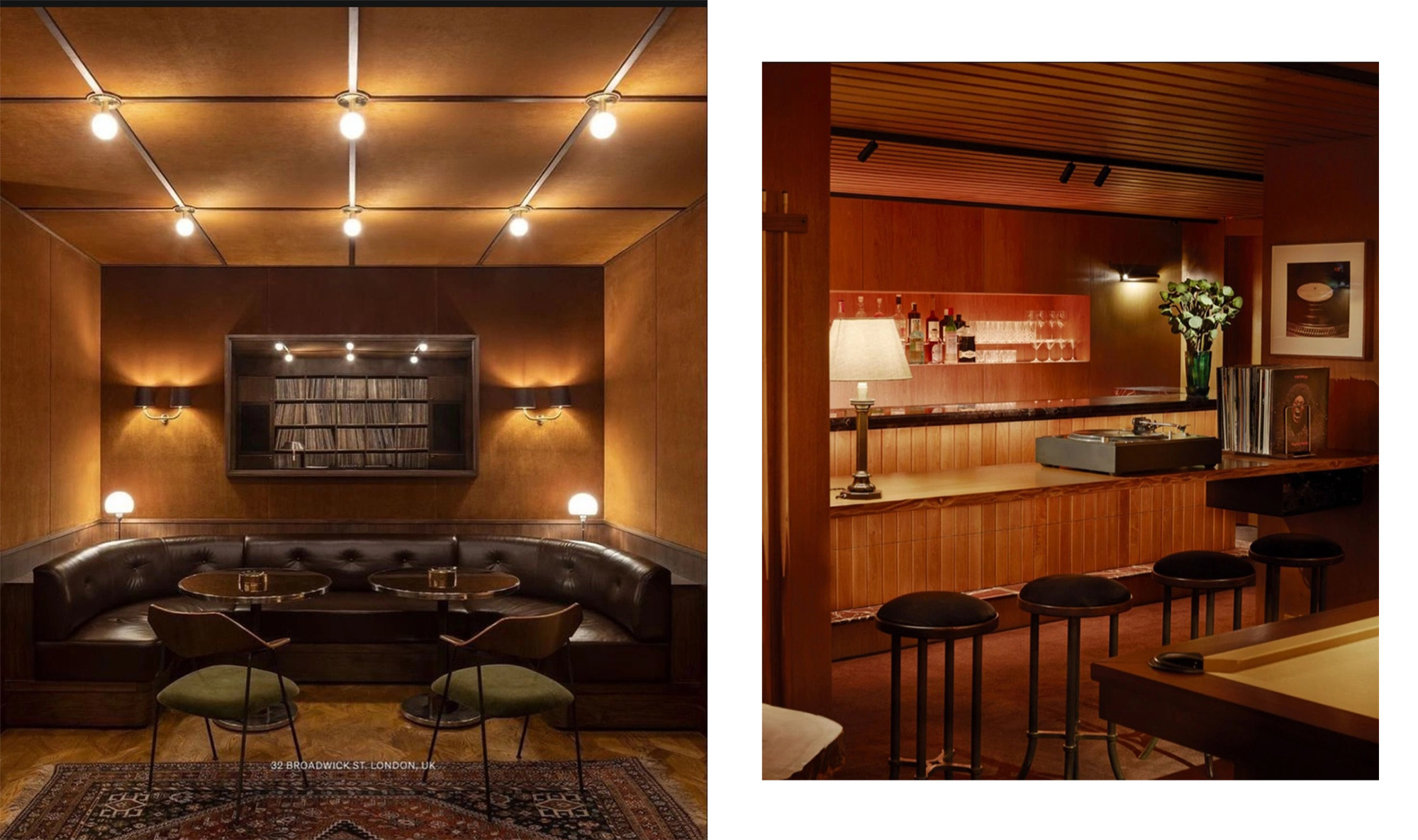
The rooms keep multiplying. In L.A., In Sheep's Clothing Hi-Fi runs curated listening sessions. All Blues in New York pours $20 cocktails in a reservation-only listening room. Off Record hides on the 43rd floor of the Fairmont Tokyo. In Montreal, the SonoLux hotel built its listening lounge, Subterra, inside a former bank vault, with producer Fred Everything curating the music and each night closing on a full album. A vault built to guard money now guards masterpieces. Even Abu Dhabi, where one hospitality consultant said nightlife "isn't about sitting in a corner and listening to music," now has Saikindō, a Japanese-style record bar at the Four Seasons designed around the Metabolism architectural movement. The idea keeps landing because it answers the same hunger.
Consider the economics of attention. About 106,000 new tracks hit streaming services every day. The average nightclub is a sensory assault optimized for people who won't remember it. The listening bar offers the opposite (scarcity, intention, quiet) and charges a premium for it. It's the same logic behind U.S. vinyl's 19-year sales streak: in an infinite-content world, the finite experience is the luxury good.
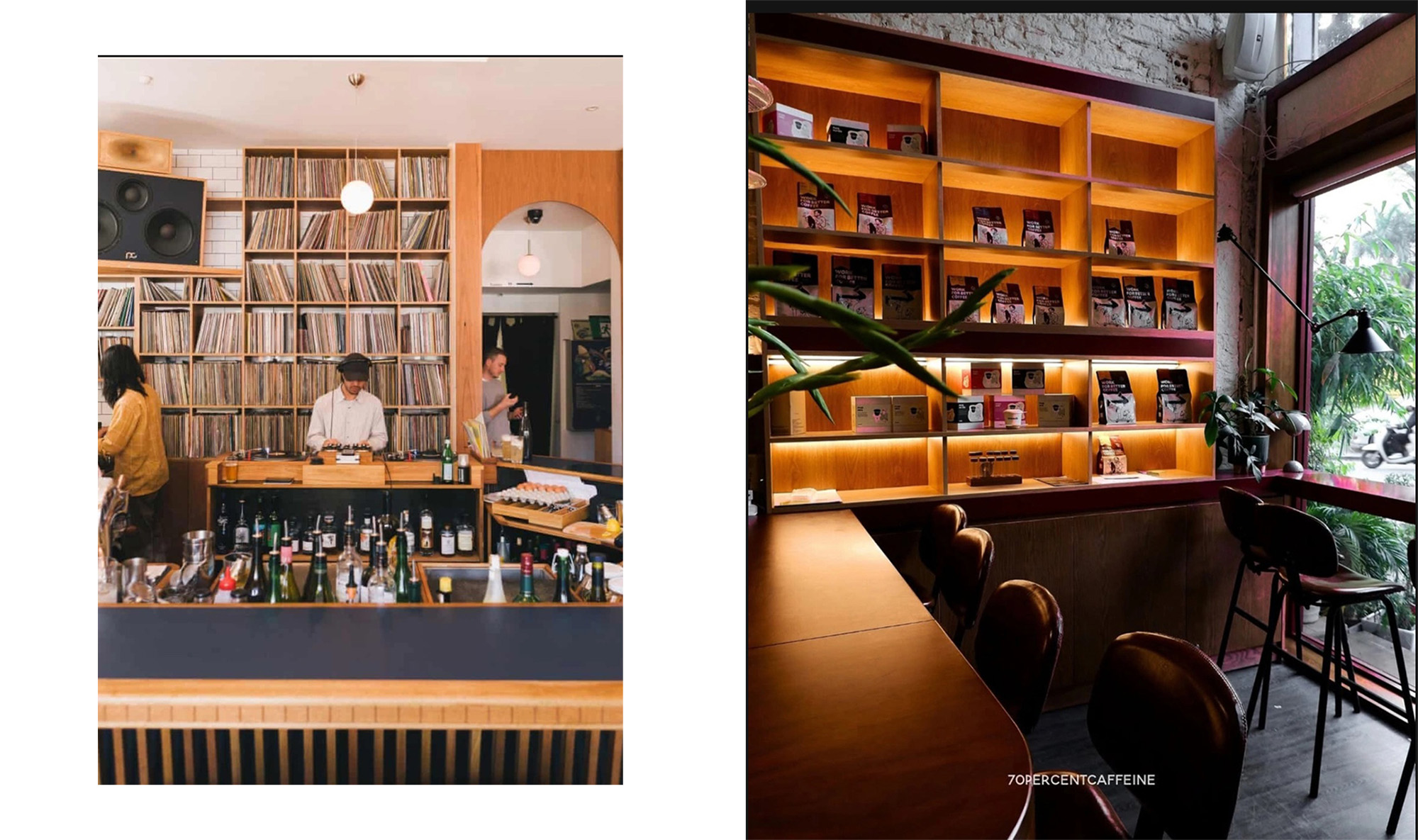
The purists will tell you the catch for free. The kissa runs on Japanese social codes that don't always survive the flight: collective good over individual expression, silence as courtesy. Plenty of Western "record bars" are just bars with expensive speakers, thumping like any club on a Friday. You can import the speakers; the reverence is harder to ship. The rooms that work enforce the contract: phones away, voices down, the record gets the room.
But when it works, it's genuinely moving: a roomful of strangers goes quiet together and a needle drops. Live music gives you the artist. A club gives you the crowd. The listening bar gives you the record itself, held up like something sacred, among people who showed up to pay attention. In 2026, that might be the most countercultural act left.
Put the phone away. The album's starting.