SONDAEBLU: The DJ Carrying His Ancestors Onto the Dancefloor
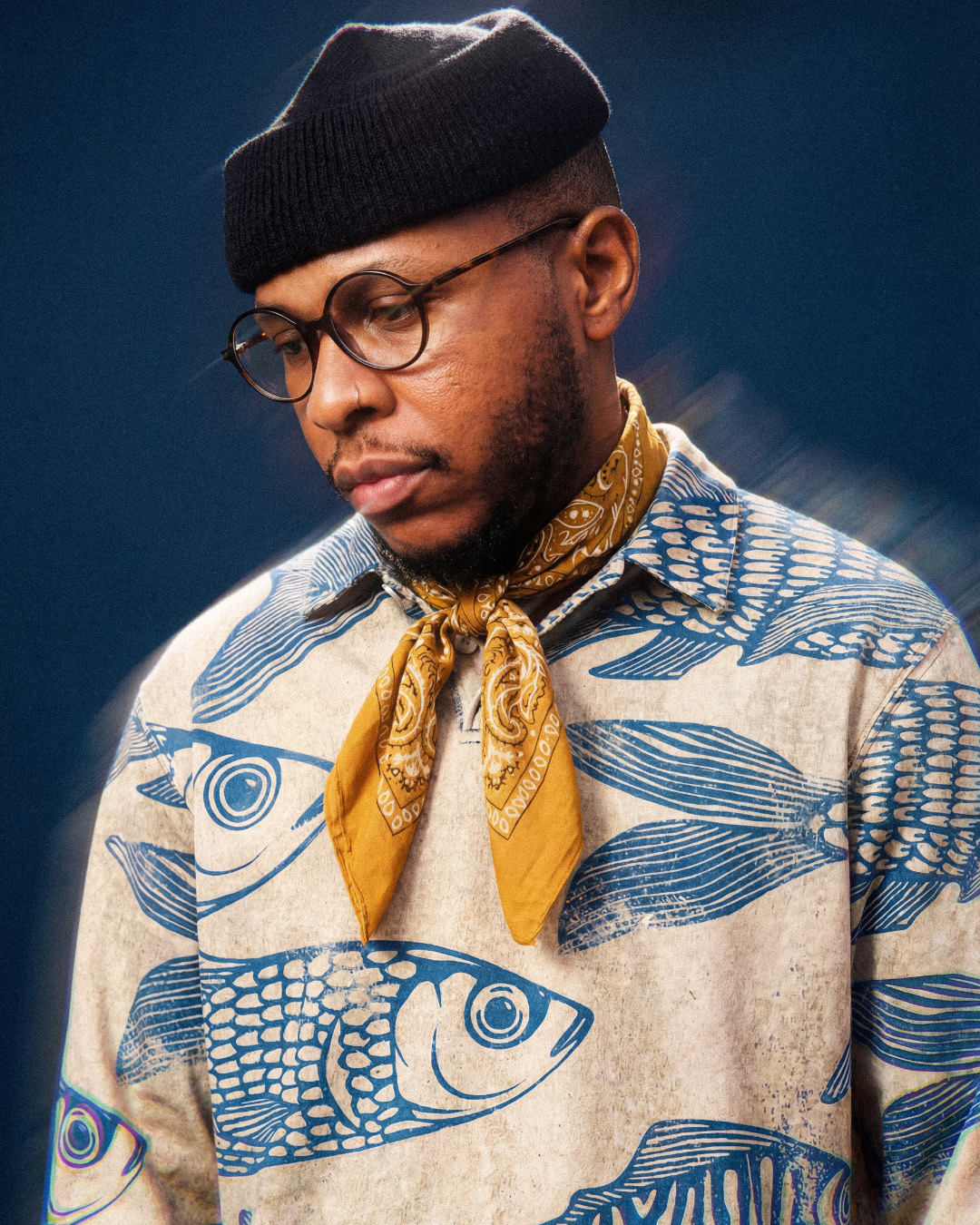
Quick: name the most interesting thing happening in house music right now. If you said "a DJ from Delaware," you're either Sondaeblu's booking agent or you've been paying closer attention than the rest of us.
Sondaeblu is the performing name of Sondae, a Delaware Lenape (Lenni Lenape) DJ and producer born and raised in Wilmington, Delaware, who now splits his time between home and the Pacific Northwest. He calls his sound "Aboriginal Soul" ("the origins of soul vibrations," in his words), and before you roll your eyes at another self-invented genre tag, listen to the records. Earthy percussion. Heartbeat drums. Ancestral vocals drifting over deep house and amapiano grooves like smoke over water. It sounds like a ceremony that learned how to move a club, which is exactly what it is.
This isn't fusion as a marketing exercise. Sondaeblu is a central figure in The Niiji's, an Indigenous music collective ("Indigenous music, straight from the collective," as its channel puts it), where he goes by The Gatherer: the one who calls the circle together. The collective describes him as "the thread between worlds, carrying memory forward through sound." That's flowery, sure. Then you hear a track like "they stayed the same," and flowery starts to feel like the only accurate language available.
The backstory matters because the music is inseparable from it. His earlier project, Prayers on Sondae, is a tribute to his late mother and, he says, "the most personal body of work" he's made. It is built around the lead single "momma," which he frames as a conversation between this world and the next. He describes the record as living "between grief and grace," and the sound bears that out: lush percussion, deep bass, ethereal harmonies. It's the kind of record that proves "healing music" doesn't have to be a euphemism for boring.
Then came the pivot to the floor. His 2026 album, u said. this time will be different., is seven songs about change, distance, and the people who stay the same, as he puts it. It premiered on the collective's own streaming platform, The Stream, and the lossless download went live July 1. The tracklist reads like a group text with your conscience: "they stayed the same," "move freely," "familiar strangers," "soft departures," "temporary reflections," "different rivers," "still the same i see." Collaborators rotate through (Witahemmo, Blu Sun, Sanii, Stormy River, Tula Wolf), each adding another voice to the circle. The sound moves between deep house, soulful house, tribal and Afro house, and amapiano, but the genre tags keep sliding off. The organizing principle isn't a BPM range. It's memory.
What makes Sondaeblu exciting rather than merely interesting is that he treats the dancefloor as a community technology. Beyond the decks, he's the creative force behind two event series, "We Found Love" and "Sondae Service," built on the idea that a room full of people moving together is one of the oldest forms of human connection. He's not wrong. The club-industrial complex has spent two decades optimizing for bottle service and Instagram backdrops; Sondaeblu is out here running ceremonies. It shouldn't work. It works.
The timing helps. Amapiano, the South African sound that took over dancefloors worldwide in the early 2020s, opened a door for exactly this kind of music: rhythm-forward, spiritually inflected, unconcerned with EDM's drop-every-45-seconds economics. Sondaeblu walked through it carrying drums older than the genre itself. There's something quietly radical about an Indigenous American artist braiding a sound born in South Africa's townships with Lenape ancestral vocals. It's a reminder that the "world music" the industry keeps filing under one tab has always been a conversation, not a category.
He runs the business side his own way, too. His music lives on his own Bandcamp and SoundCloud, and new releases premiere on the collective's platform before anywhere else. On October 29 he plays Margolis (9 W Wildey St) in Philadelphia, billed as "sondaeblu irl." No major-label machinery. No playlist-chasing singles strategy. Just a circle, widening.
There are a thousand DJs who can make a room move. Very few can make a room feel like it means something. Sondaeblu does both at once, by reaching further back than almost anyone else on the circuit: past the samples, past the scenes, all the way to the source. Aboriginal Soul. The origins of soul vibrations. You can argue with the branding. You can't argue with the drums.