The Turntable That Refused To Die
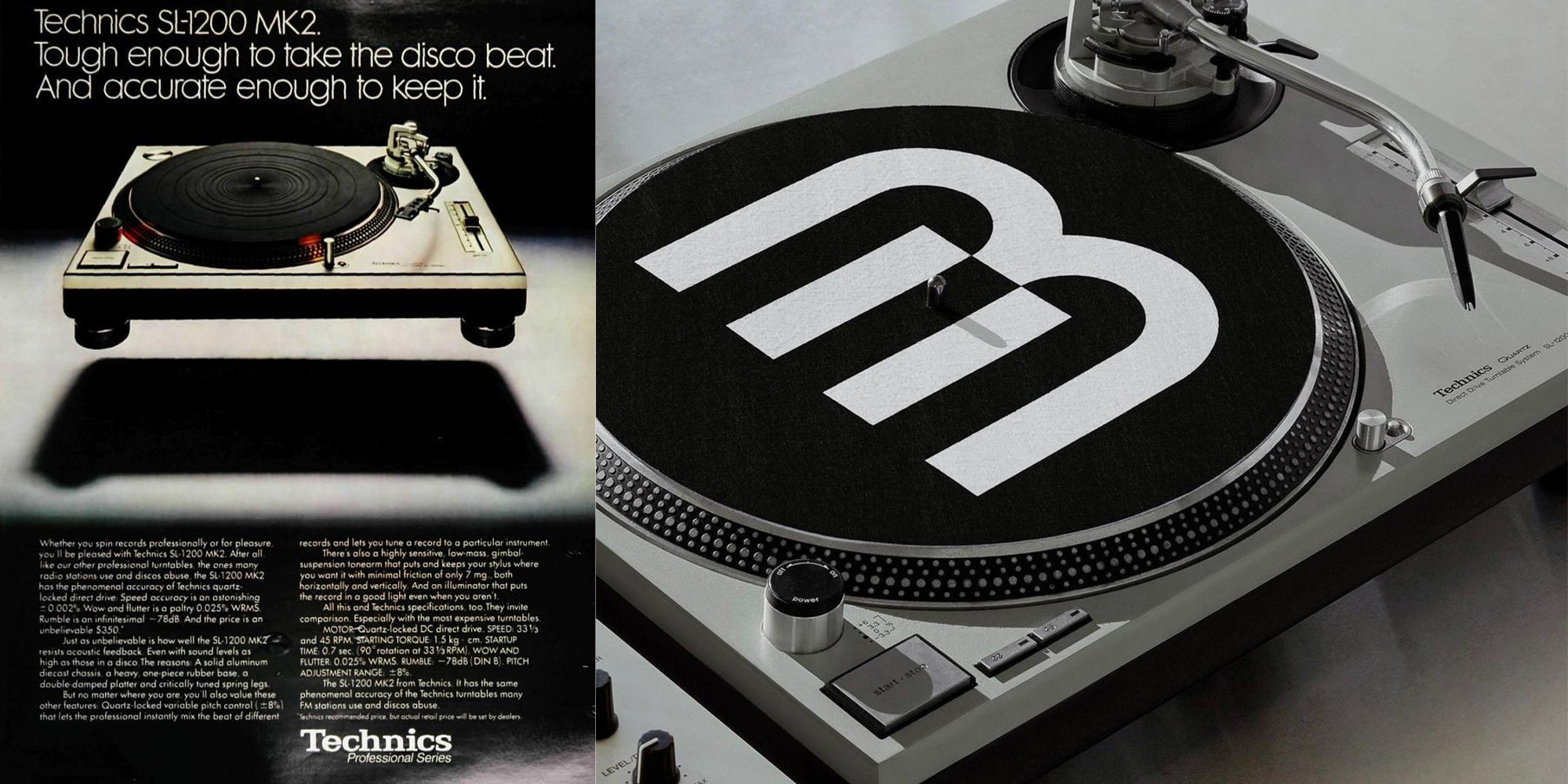
Technics built the SL-1200 for audiophiles sipping herbal tea. The Bronx had other plans.
There's something quietly transformative about having a record player in your living room — and not in a forced, "admire my vinyl collection" kind of way. A turntable changes how you actually listen to music. You put a record on, sit down, and let an album play the way it was meant to be heard: straight through, no skipping, no bouncing between playlists every thirty seconds. The whole room slows down. Intentionally.
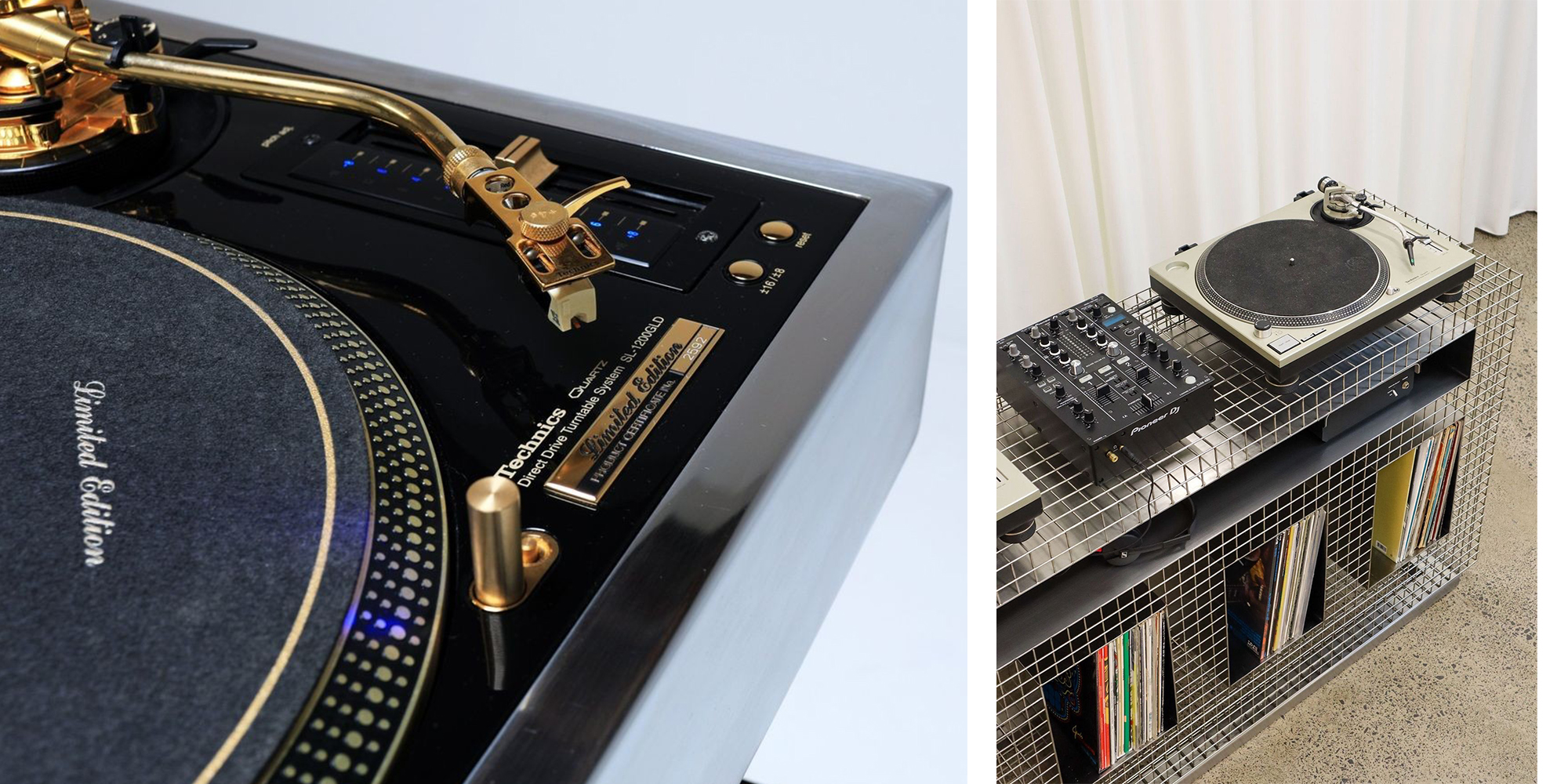
Unlike most tech products, a good turntable earns its place visually too. It sits on the credenza beside a stack of records and quietly makes the room feel warmer, more considered. That ritual — flipping through albums, dropping the needle, hearing that first crackle before the music starts — is part nostalgia, part design statement, part excuse to unplug for an hour. It's one of the few objects that improves a space simply by existing in it.
And if you're going to have one, there's really only one place the conversation starts.
THE MACHINE BEHIND THE MUSIC
In 1972, Panasonic released the SL-1200 for quiet living rooms and quieter people. It was never meant to survive a nightclub. It was certainly never meant to invent hip-hop. And yet.
The secret was the direct-drive motor — a high-torque brushless engine that hit full speed in half a rotation, with no belts, no wobble, no excuses. Before this, turntables ran on rubber wheels that wore out and vibrated. Engineer Shuichi Obata looked at all that and built something that simply didn't.
"Technics built a precision instrument. DJs used it to scratch records like they were trying to start a fire. It worked perfectly."
The pitch control dial — designed to fix minor speed irregularities — was repurposed by DJs to match BPM between two records. Grandmaster Flash and Afrika Bambaataa took it from there, and somewhere between the backspins and the block parties, an entirely new musical culture was born. The turntable wasn't consulted. It didn't mind.
What made it a legend wasn't just sound quality — it was survival. The vibration-absorbing cabinet held its nerve in rooms where the bass physically rearranged your organs. Units bought in 1979 are still spinning today. When Panasonic discontinued it in 2010, the second-hand market immediately proved that was a terrible idea. By 2016, they brought it back. Quietly. Without apology.
3.5M
UNITS SOLD
50+
YEARS IN PRODUCTION
1/2
ROTATIONS TO FULL SPEED
Today the SL-1200 sits alongside the Gibson Les Paul and Roland TR-808 in that rare category of objects that became symbols — shorthand for an entire craft. The DMC World DJ Championship is still contested almost exclusively on Technics 1200s. Not because they have to be. Because nobody's found anything better.
Not bad for a record player designed for people who argue about cables